


How many doses of the shingles vaccine are needed? price? What is the age at which it provides protection?
The shingles vaccine has become an important part of preventive healthcare, particularly for adults as they age. Shingles can cause a painful skin rash and nerve-related discomfort in some individuals.
Shingles is caused by the Varicella-zoster virus, the same virus responsible for chickenpox. After a person recovers from chickenpox, the virus can remain dormant in nerve tissues and may reactivate later in life.
The purpose of the shingles vaccine is to stimulate the immune system so it can respond more effectively to the virus. This may help reduce the risk of developing shingles and certain related complications.
This article explains key information about the shingles vaccine, including who may consider vaccination, how many doses are required, the interval between doses, and general information about cost and common questions.
What Is the Shingles Vaccine?
The shingles vaccine is a preventive vaccination designed to reduce the risk of developing shingles, a disease caused by the Varicella-zoster virus. This is the same virus that causes chickenpox and can remain dormant in nerve tissues after the initial infection.
When the virus becomes active again later in life, it may lead to a painful rash and nerve-related symptoms. Vaccination helps the immune system recognize the virus more effectively.
By strengthening the body’s immune response, the vaccine may lower the chance of the virus reactivating and causing shingles.
Vaccination is often considered for adults, particularly as people get older. A healthcare professional typically evaluates medical history and overall health before recommending vaccination.
How Does the Shingles Vaccine Reduce the Risk of the Disease?
The shingles vaccine works by stimulating the immune system to better recognize and respond to the Varicella-zoster virus, the same virus responsible for chickenpox and shingles.
After vaccination, the immune system develops a stronger response against the virus, which may help the body keep the dormant virus under control.
When immune protection is strengthened, the likelihood of viral reactivation may decrease. Viral reactivation is what leads to the development of shingles later in life.
In addition, improved immune response may also help reduce the severity of symptoms or certain nerve-related complications associated with the disease.
Who Should Consider Getting the Shingles Vaccine?
The shingles vaccine is often considered for adults who may have a higher risk of developing the disease. This risk tends to increase with age, as the immune system naturally becomes less effective over time.
People who have had chickenpox in the past may also be candidates for vaccination because the Varicella-zoster virus can remain dormant in the body after the initial infection.
Individuals who want to reduce their risk of shingles and its potential nerve-related complications may discuss vaccination with a healthcare professional.
The decision to receive the vaccine is usually based on factors such as age, medical history, and professional medical advice.
At What Age Should You Consider the Shingles Vaccine?
The shingles vaccine is generally considered for adults, particularly those 50 years of age and older, as the risk of developing shingles tends to increase with age.
As people grow older, the immune system may gradually become less effective, which can allow the dormant Varicella-zoster virus to reactivate.
In some situations, healthcare professionals may recommend vaccination based on individual health factors, such as underlying medical conditions or specific risk considerations.
For this reason, consulting a doctor before vaccination is important to determine whether it is appropriate based on age and overall health.
How Many Doses of the Shingles Vaccine Are Needed?
In most cases, the shingles vaccine is given in two doses to help the immune system develop a stronger response against the Varicella-zoster virus. Completing the recommended number of doses plays an important role in building adequate immune protection.
After receiving the first dose, a follow-up appointment is usually scheduled for the second dose at an appropriate interval.
Receiving both doses helps strengthen the immune response to the virus, which may reduce the likelihood of developing shingles and certain nerve-related complications.
Before each vaccination, healthcare professionals typically review the individual’s health status to ensure that vaccination is appropriate.
What Is the Interval Between Shingles Vaccine Doses?
For commonly used shingles vaccines, the vaccination schedule typically involves two doses given 2 to 6 months apart. This interval allows the immune system time to develop an appropriate response to the vaccine.
After the first dose, the body begins building immunity against the Varicella-zoster virus. The second dose helps strengthen and reinforce this immune response.
In some cases, the exact timing may vary slightly depending on medical advice and the individual’s health condition.
Attending the follow-up appointment for the second dose as recommended helps ensure the vaccination schedule is completed appropriately.
How Long Does the Shingles Vaccine Provide Protection?
The shingles vaccine is designed to strengthen the immune system’s response to the Varicella-zoster virus, which causes shingles. After vaccination, the body develops immune protection that may help reduce the chance of the virus reactivating.
Medical studies suggest that vaccine-induced protection can last for several years and may help lower the risk of shingles and certain nerve-related complications.
The duration of protection can vary from person to person, depending on factors such as age, overall health, and individual immune response.
If there are questions about how long protection may last or whether additional vaccination is needed in the future, consulting a healthcare professional can provide personalized guidance.
Is the Shingles Vaccine Suitable for People Who Have Had Shingles Before?
People who have previously had shingles may still consider receiving the shingles vaccine. This is because the Varicella-zoster virus can remain in the body and may reactivate again in some cases.
Vaccination may help strengthen the body’s immune response against the virus and potentially reduce the likelihood of future episodes.
However, the appropriate timing for vaccination after a shingles episode may vary between individuals. For this reason, consulting a healthcare professional is generally recommended.
A doctor will usually review factors such as medical history, recovery period after infection, and overall health before advising on vaccination.
Should People Who Had Chickenpox Get the Shingles Vaccine?
People who have had chickenpox in the past may still carry the Varicella-zoster virus in their bodies. Even after recovery, the virus can remain dormant in nerve tissues and may reactivate later in life as shingles.
Because of this, individuals with a history of chickenpox may consider the shingles vaccine to help strengthen their immune response against the virus.
The decision to receive the vaccine is usually based on factors such as age, overall health, and medical recommendations.
Consulting a healthcare professional before vaccination can help determine whether it is appropriate based on an individual’s health situation.
What Types of Shingles Vaccines Are Available?
Several types of shingles vaccines have been developed to help the immune system respond more effectively to the Varicella-zoster virus, the virus responsible for shingles.
Earlier vaccines used a weakened form of the virus to stimulate immune protection. Newer vaccines use different technologies designed to strengthen the immune response against the virus.
The choice of vaccine may depend on medical guidelines, individual suitability, and the recommendation of a healthcare professional.
Before vaccination, medical staff typically provide information about the vaccine type, how it is administered, and the recommended vaccination schedule.
What Is the Shingrix Vaccine?
Shingrix is a type of shingles vaccine designed to stimulate the immune system to respond to the Varicella-zoster virus, which causes shingles. Unlike some older vaccines, Shingrix does not contain a live virus.
Instead, it uses a specific component of the virus combined with an immune-stimulating ingredient to help the body build a stronger immune response.
The vaccine is typically administered in two doses given several months apart, according to medical recommendations.
Before vaccination, healthcare professionals usually review medical history and possible allergies to ensure the vaccine is appropriate for the individual.
How Effective Is the Shingles Vaccine?
The shingles vaccine is designed to strengthen the immune system’s response to the Varicella-zoster virus, which causes shingles. After vaccination, the immune system becomes better prepared to recognize and respond to the virus.
Medical studies indicate that shingles vaccines can help reduce the risk of developing shingles in certain adult populations and may also lower the likelihood of nerve-related complications.
Vaccine effectiveness can vary between individuals depending on factors such as age, overall health, and immune response.
Following medical recommendations and completing the full vaccination schedule plays an important role in achieving appropriate immune protection.
How to Prepare Before Getting the Shingles Vaccine
Before receiving the shingles vaccine, healthcare professionals usually review basic medical information, including underlying health conditions, history of allergies to medications or vaccines, and any medications currently being taken.
Getting adequate rest and maintaining good overall health before the vaccination day may help the body respond well to the vaccine.
If a person is currently ill, has a fever, or has an acute infection, a doctor may recommend postponing vaccination until the condition has improved.
Providing accurate health information to medical staff helps ensure that vaccination is planned appropriately for each individual.
How to Take Care of Yourself After the Shingles Vaccine
After receiving the shingles vaccine, individuals may be advised to remain at the clinic for a short observation period so healthcare staff can monitor any immediate reactions.
During the first day after vaccination, some people may experience mild symptoms such as soreness at the injection site, fatigue, or slight discomfort. These reactions are usually temporary.
Getting enough rest, staying hydrated, and avoiding heavy use of the injected arm for a short period may help the body adjust after vaccination.
If unusual or more severe symptoms occur, it is recommended to contact a healthcare professional or medical facility for further advice.
What Are the Side Effects of the Shingles Vaccine?
After receiving the shingles vaccine, some individuals may experience mild side effects as part of the immune system’s response to the vaccine. These reactions usually occur within a short period after vaccination.
Common side effects may include pain, swelling, or redness at the injection site. Some people may also experience fatigue, headache, or a mild fever.
Most symptoms are temporary and typically improve within a few days without the need for specific treatment if the symptoms remain mild.
If unusual or severe symptoms occur after vaccination, it is recommended to contact a healthcare professional for further medical advice.
Symptoms That May Occur After the Shingles Vaccine
After receiving the shingles vaccine, some people may notice temporary symptoms as the body responds to the vaccine. These reactions often appear within the first few days after vaccination.
Possible symptoms include soreness or stiffness in the upper arm, mild fatigue, or a general feeling of discomfort.
In some cases, individuals may experience a mild fever, muscle aches, or headache, which usually improve within a few days.
If symptoms last longer than expected or cause concern, contacting a healthcare professional for advice is recommended.
Who Should Consult a Doctor Before Getting the Shingles Vaccine?
Before receiving the shingles vaccine, some individuals may need to consult a healthcare professional to determine whether vaccination is appropriate for them.
This may include people with certain underlying medical conditions or those who have previously experienced allergic reactions to vaccines or vaccine components.
Individuals who are currently ill, such as having a fever or an acute infection, should also inform their doctor before vaccination.
People taking medications that affect the immune system or undergoing specific medical treatments may require medical evaluation before receiving the vaccine.
Can People with Chronic Conditions Receive the Shingles Vaccine?
People with certain chronic health conditions may still be able to receive the shingles vaccine. However, the decision usually depends on the type of condition, how well it is controlled, and the individual’s overall health status.
In some situations, such as when a person has long-term illnesses or is undergoing specific medical treatments, additional medical evaluation may be required before vaccination.
Providing accurate information about medical history, underlying conditions, and current medications helps healthcare professionals assess whether vaccination is appropriate.
Doctors typically consider several factors before making recommendations to ensure that vaccination follows appropriate medical guidance.
Can the Shingles Vaccine Be Given with Other Vaccines?
In some cases, the shingles vaccine may be administered at the same time as certain other vaccines. However, this depends on the specific types of vaccines and current medical recommendations.
Receiving multiple vaccines within a similar timeframe may require consideration of several factors, including the individual’s health status, vaccination history, and medical guidelines.
Healthcare professionals usually evaluate whether vaccines can be given on the same day or whether an interval between vaccines is recommended.
If someone plans to receive more than one vaccine, informing the healthcare provider in advance can help ensure that the vaccination schedule is planned appropriately.
Shingles Vaccine Cost
The cost of the shingles vaccine may vary depending on the healthcare provider, the type of vaccine used, and the medical services involved in the vaccination process.
At our clinic, the shingles vaccine costs 6,500 THB per dose. The vaccination schedule generally includes two doses, given approximately 2–6 months apart according to medical recommendations.
Before vaccination, a healthcare professional will review basic health information to ensure that the vaccine is appropriate for the individual.
For more information about the shingles vaccine or to schedule an appointment, individuals may contact the clinic for further details.
Why Get the Shingles Vaccine at a Clinic?
Receiving the shingles vaccine at a healthcare facility allows individuals to be cared for by trained medical professionals throughout the vaccination process.
Before vaccination, healthcare staff usually conduct a basic health assessment to determine whether the vaccine is appropriate for the individual.
Getting vaccinated at a clinic also provides the opportunity to ask questions about the vaccine, the vaccination procedure, and post-vaccination care directly with medical professionals.
If any symptoms need to be monitored after vaccination, healthcare providers can offer guidance and appropriate follow-up recommendations.
Frequently Asked Questions About the Shingles Vaccine (FAQ)
How many doses of the shingles vaccine are required?
The shingles vaccine is typically given in two doses to help the immune system build an appropriate response against the Varicella-zoster virus.
The second dose is usually scheduled about 2–6 months after the first dose according to vaccination guidelines.
Is the shingles vaccine necessary?
The shingles vaccine is one option that may help reduce the risk of developing shingles, particularly in older adults whose risk may increase with age.
The decision to receive the vaccine usually depends on factors such as age, overall health, and medical advice.
Can shingles still occur after vaccination?
Vaccination helps strengthen the immune response against the Varicella-zoster virus and may reduce the risk of shingles or the severity of symptoms.
However, individual responses to vaccines can vary from person to person.
At what age should someone consider the shingles vaccine?
The shingles vaccine is generally considered for adults 50 years of age and older, as the risk of shingles tends to increase with age.
Healthcare professionals may evaluate individual health factors before recommending vaccination.
Ways to Reduce the Risk of Shingles in Daily Life
Maintaining overall health may help reduce the risk of shingles to some extent, as the immune system plays an important role in controlling the dormant Varicella-zoster virus in the body.
Getting enough rest, eating a balanced diet, and maintaining a healthy lifestyle can help support the immune system.
For some individuals, discussing preventive options such as the shingles vaccine with a healthcare professional may be another approach to lowering the risk of the disease.
Paying attention to unusual skin symptoms or nerve-related pain and seeking medical advice when necessary can help ensure appropriate care.
Conclusion
The shingles vaccine is one option in preventive healthcare, particularly for adults whose risk of shingles may increase with age.
Vaccination helps stimulate the immune system to respond to the Varicella-zoster virus, which causes shingles. This immune response may help reduce the likelihood of the disease and certain related complications.
Before deciding to receive the vaccine, consulting a healthcare professional is important so that individual health conditions and risk factors can be properly evaluated.
Having clear information about the shingles vaccine, including its benefits, vaccination process, and cost considerations, can help individuals make informed decisions about their health.
References
- Centers for Disease Control and Prevention (CDC) – Shingles Vaccination
- Mayo Clinic – Shingles Vaccine: Who Needs It and When
- National Health Service (NHS) – Shingles Vaccination
- Cleveland Clinic – Shingles Vaccine (Shingrix)
If you want to book appointment or consult more.
You can booking from website or social media this bottom section
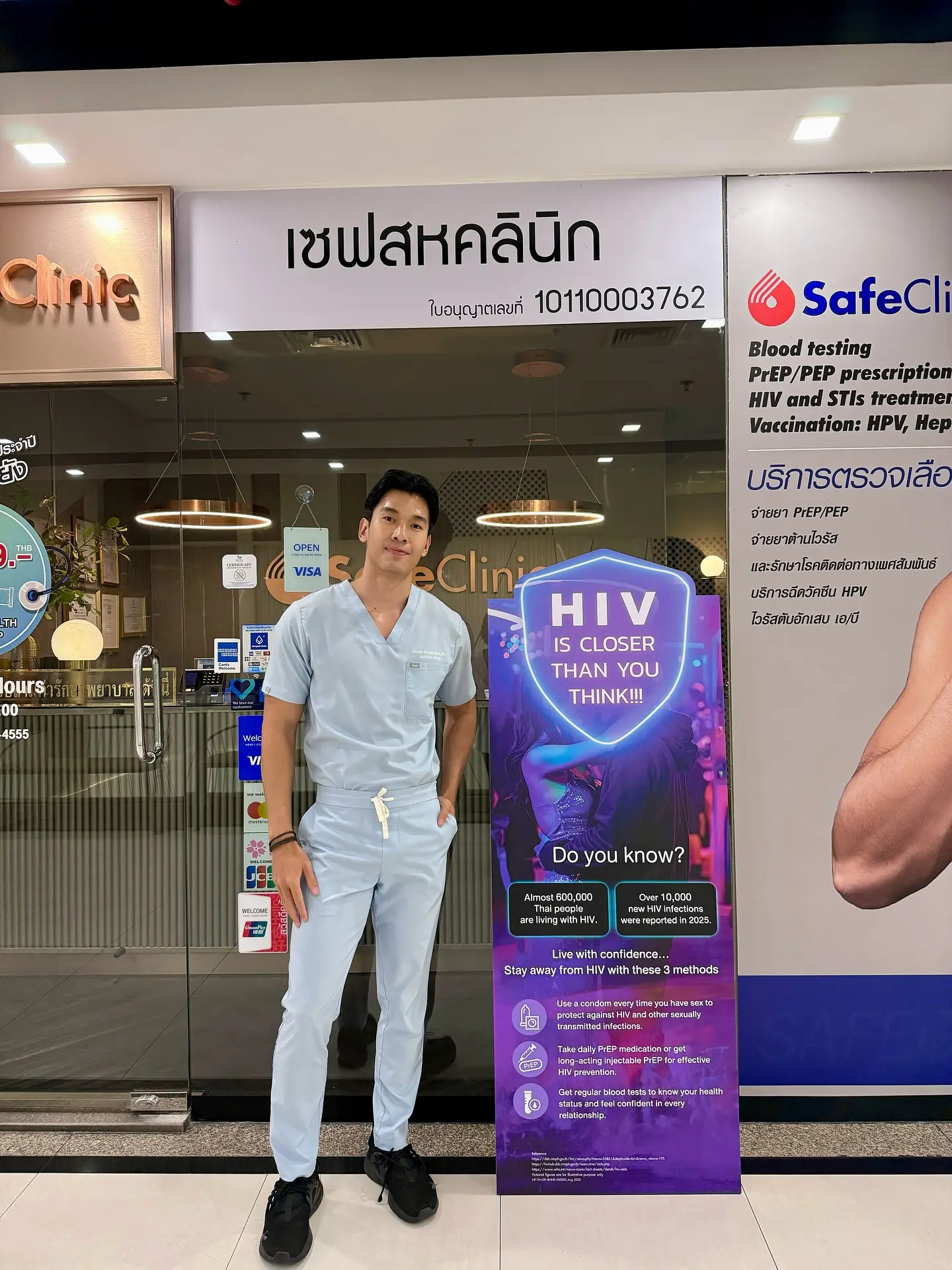
Medical Reviewer: Dr. Chaiwat Songsiriphan
Expertise: Specialist in Dermatology and Venereology (STDs)
Over 10 years of clinical experience
Latest Article Updates: April 9, 2026


