Sexually transmitted infections can present in many forms, and one of the common skin conditions in people living with HIV is PPE (Pruritic Papular Eruption in HIV). This rash is often mistaken for insect bites or allergic reactions, but in reality, it reflects a weakened immune system. This article explains what PPE rash is, how…
HIV (Human Immunodeficiency Virus) remains one of the most misunderstood health conditions today. Despite major advances in medicine, stigma and fear still persist. The truth is—people living with HIV can lead normal, fulfilling lives, have relationships, build families, and thrive with proper care. This article provides a comprehensive overview of HIV, covering everything from what…
Genital warts are one of the most common sexually transmitted infections, affecting both men and women. They are caused by low-risk types of the human papillomavirus (HPV) and typically appear as small, flesh-colored growths around the genital or anal area. While genital warts are generally not dangerous, they can cause significant emotional and physical discomfort….
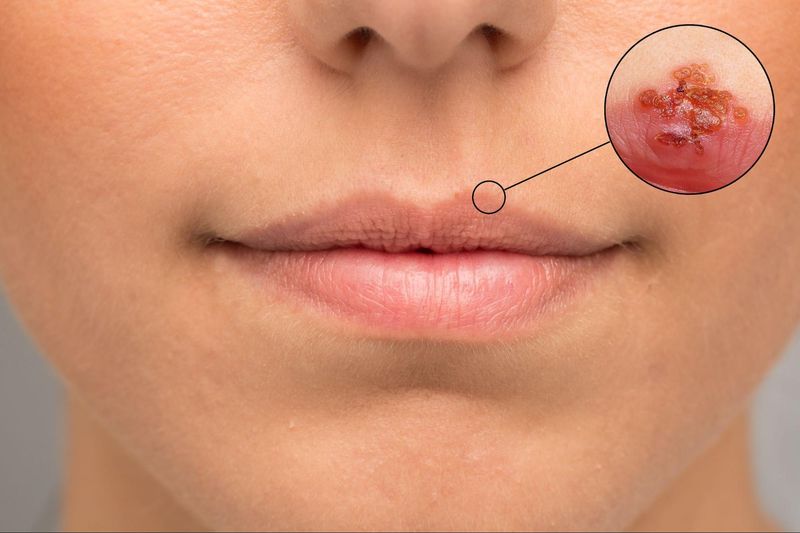
There is a red, swollen wound, a blister with clear liquid, and itching around the lips. Is this a symptom of herpes on the mouth? How do I treat it? Is it dangerous? How can I get rid of it completely? [This article has the answer]
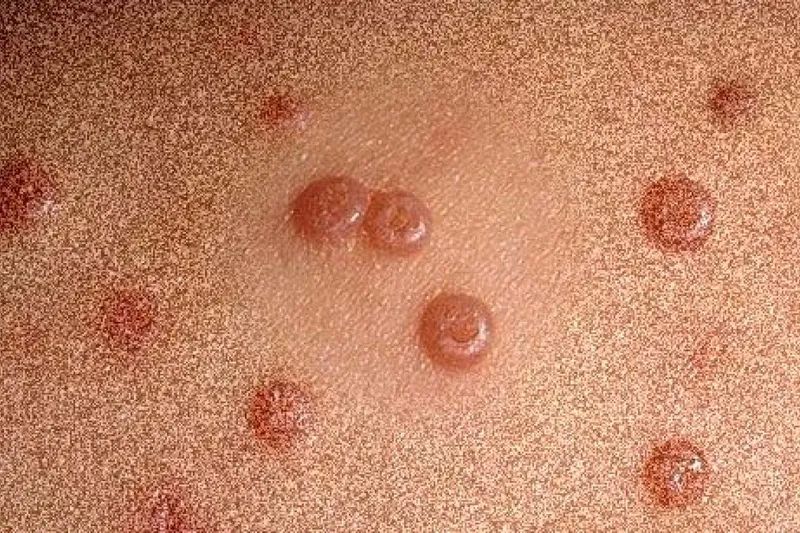
Molluscum contagiosum is a contagious skin infection caused by a virus from the Poxviridae family. It can affect people of all ages, particularly children and those with weakened immune systems. The condition is characterized by small, raised bumps with a central dimple and spreads easily through direct contact or shared personal items. While molluscum contagiosum…
HIV testing is an essential way to clearly understand one’s health status. Early detection matters because it allows doctors to provide timely care, reduces the risk of transmission, and enables individuals to live with greater confidence and peace of mind. Today, various testing methods are widely accessible, including rapid tests, laboratory tests, and even self-tests…
Many people have heard the term “urethritis” or “gonorrhea” but are unsure what it really means—or why doctors distinguish between gonorrhea (true urethritis) and chlamydia (non-gonococcal urethritis). The confusion arises because both conditions often share similar symptoms, such as painful urination and urethral discharge. This article explains what gonorrhea and chlamydia are, how they differ,…
STD or STDs (Sexually transmitted diseases) are infections passed from one person to another through sexual contact, including vaginal, anal, and oral sex. While some STDs show obvious symptoms, many do not—making it possible to unknowingly spread the infection to others. Today, STDs are once again a rising public health concern, especially among young adults…
HIV treatment has advanced significantly in recent years. Antiretroviral drugs (ARVs) are the global standard for controlling the virus. They suppress HIV to undetectable levels, allowing the immune system to recover, lowering the risk of complications, and enabling people living with HIV to live healthy, normal lives. This article explains HIV treatment with ARVs, from…