


STD Risks for Weakened Immunity (Diabetes/Steroids)
Weakened immunity occurs when the body’s defense system, or white blood cells, functions suboptimally. This leads to a loss of ability to suppress Sexually Transmitted Diseases (STDs), resulting in more severe symptoms, prolonged healing times, and a higher risk of systemic complications.
For individuals with diabetes, long-term steroid users, or regular smokers, advanced STD screening is essential. Early detection prevents the accumulation of opportunistic infections that could damage the nervous system and internal organs in the long run.
Medical Mechanism: Why Weak Immunity Makes You a Vulnerable Target
In medical terms, a compromised immune system acts like a leaking wall. STDs such as Syphilis, Herpes, or HPV exploit these vulnerabilities to attack cells immediately. There are three primary mechanisms that increase health risks for these specific groups:
- Impaired Cellular Communication (Cytokines) In steroid users or those on immunosuppressants, the secretion of Cytokines— messengers that signal white blood cells to attack pathogens—is suppressed. This delays the immune response, allowing STDs to spread faster into the bloodstream.
- Micro-vascular Damage from High Blood Sugar Patients with diabetes and high HbA1c levels often face vascular constriction. This reduces blood flow to the mucosal linings of the genitals, preventing immune cells from reaching and neutralizing STDs effectively at the site of infection.
- Mucosal Fragility Caused by Nicotine Smoking or tobacco use allows nicotine to damage the moisture of the mucous membranes (Mucosa). This causes the skin around sensitive areas to become dry and prone to micro-tears, creating a direct gateway for viruses and bacteria to enter the body rapidly.
Comparison: STD Symptoms in Normal vs. Immunocompromised Individuals
This table summarizes the differences in disease progression and severity. It highlights why your immune status is a critical factor in managing sexually transmitted infections effectively.
STD Type | Symptoms in Healthy Individuals | Symptoms in Immunocompromised |
|---|---|---|
Herpes (HSV) | Small blisters; heals in 1-2 weeks. | Large ulcers; prone to spreading and frequent recurrence. |
Syphilis | Standard progression over several years. | Faster progression to neurological and cardiac involvement. |
Yeast (Candida) | Mild itching; responds well to standard treatment. | Chronic recurrence; highly resistant to typical medication. |
Warts (HPV/Molluscum) | Small growths; slow spreading. | Massive outbreaks; resistant to cauterization or topicals. |
4 Dangerous STDs That Manifest More Severely in At-Risk Groups
Infections in patients with underlying conditions or those on immunosuppressants often allow “opportunistic” pathogens to attack the body more aggressively. Safe Clinic frequently identifies these 4 key conditions in at-risk patients:
Drug-Resistant and Recurrent Yeast (Candida) in Diabetic Patients
High HbA1c levels in diabetic patients cause bodily secretions to become a primary food source for yeast. This leads to chronic abnormal discharge and severe inflammatory irritation.
Herpes (HSV) and the Risk of Systemic Spreading
When white blood cells fail to contain the virus at the infection site, herpes may spread across the skin or into internal organs. This medical condition, known as Disseminated Herpes, can be life-threatening.
Syphilis and Rapid Progression to Neurosyphilis
In steroid users, the syphilis bacteria can evade immune detection and invade the central nervous system much faster than usual. This significantly increases the risk of neurosyphilis, even in early infection stages.
Molluscum Contagiosum: A Red Flag for Immune Crisis
The presence of dome-shaped bumps with a central dimple spreading across the face or torso is often a warning sign that the immune system is severely compromised. Immediate and comprehensive HIV screening is highly recommended in these cases.
What You Need to Know: STD Medications and Underlying Conditions
Managing STD treatments while having chronic illnesses requires expert medical supervision. Some medications can interact with existing prescriptions, potentially affecting liver and kidney functions.
For diabetic patients, doctors select treatments that do not interfere with blood sugar levels or peripheral blood vessels. Steroid users may require adjusted dosages to compensate for their suppressed immune response.
Self-medication is highly dangerous for at-risk groups. Using the wrong antibiotics can lead to drug resistance, making future treatments significantly more complex and prolonging the recovery process.
Why Urine PCR 28+ is the Gold Standard for High-Risk Groups
Traditional STD tests that rely on cultures or antibody detection often fail in immunocompromised individuals. A weakened body may produce antibodies slowly or not at all, leading to a “False Negative” result despite an active infection.
The innovative Urine PCR 28+ Infections test detects the “genetic material of the pathogen” directly. With its high sensitivity, it can identify infections even at very low viral loads, ensuring 100% accurate identification.
At Safe Clinic, we recommend this as the standard for diabetic patients and those on immunosuppressants. It covers bacteria, viruses, and parasites in a single sample, allowing for precise and immediate medical intervention.
5 Steps of Care at Safe Clinic
We have designed our service flow to be seamless and private, ensuring the best care for patients with underlying conditions. Our personalized approach consists of 5 key stages:
- Individual Risk Assessment Our physicians evaluate your medical history, including steroid or diabetes medication use. All consultations are held under strict confidentiality.
- Advanced Screening Selection (PCR) We recommend specific diagnostic tools, such as Urine PCR 28+ or direct viral testing, tailored to your current immune status for maximum accuracy.
- International Standard Lab Results Samples are processed immediately in our certified labs. Fast turnaround times allow for early diagnosis, preventing the infection from spreading to internal organs.
- Personalized Treatment Planning If an infection is detected, doctors design a treatment plan that is compatible with your regular medications. We focus on safe drug synergy and accelerated wound healing.
- Follow-up and Long-term Prevention We schedule follow-up visits to ensure full recovery and provide advice on preventive measures, such as vaccines, to strengthen your long-term health defenses.
FAQ: Common Concerns for Immunocompromised Individuals
This section addresses frequently asked questions from our patients to provide accurate medical insights and reduce anxiety before visiting Safe Clinic.
Does smoking or tobacco use affect the accuracy of STD tests?
Smoking does not directly interfere with the test’s detection capability. However, toxins in tobacco damage mucosal linings and blood vessels, causing STD lesions to spread much faster than in non-smokers. Furthermore, the natural wound-healing process is significantly delayed.
Will STDs show up on tests if I am taking steroid medications?
In individuals on long-term steroids or immunosuppressants, the body’s antibody production may be delayed. Standard blood tests might yield a False Negative result. Doctors typically recommend PCR DNA Testing in these cases, as it detects the pathogen directly for maximum accuracy.
How often should diabetic patients get screened for STDs?
If you are sexually active or have a new partner, screening every 3 to 6 months is highly recommended. High blood sugar facilitates the overgrowth of yeast and opportunistic bacteria. Regular testing ensures early detection before symptoms become severe.
Can immunocompromised individuals receive STD vaccines?
Yes, vaccinations like the HPV vaccine are generally recommended. However, the immune response might not be as robust as in healthy individuals. Our physicians will assess your current health status to determine the optimal timing for vaccination to ensure you receive the highest possible protection.
Conclusion
Having a weakened immune system does not mean you cannot achieve good health; it simply means your body requires more “meticulous” care. While STDs in patients with chronic conditions can be complex, they are manageable and treatable when diagnosed early using advanced medical technology.
At Safe Clinic, we are committed to being your trusted health partner. With our specialized medical team and international-standard laboratory, we believe that proactive screening and personalized care are the keys to restoring your confidence and ensuring a high quality of life for the long term.
References
- Sexually Transmitted Infections Treatment Guidelines: Provided by the Centers for Disease Control and Prevention (CDC).
- STI Global Fact Sheets (Syphilis and Herpes): Published by the World Health Organization (WHO).
If you want to book appointment or consult more.
You can booking from website or social media this bottom section
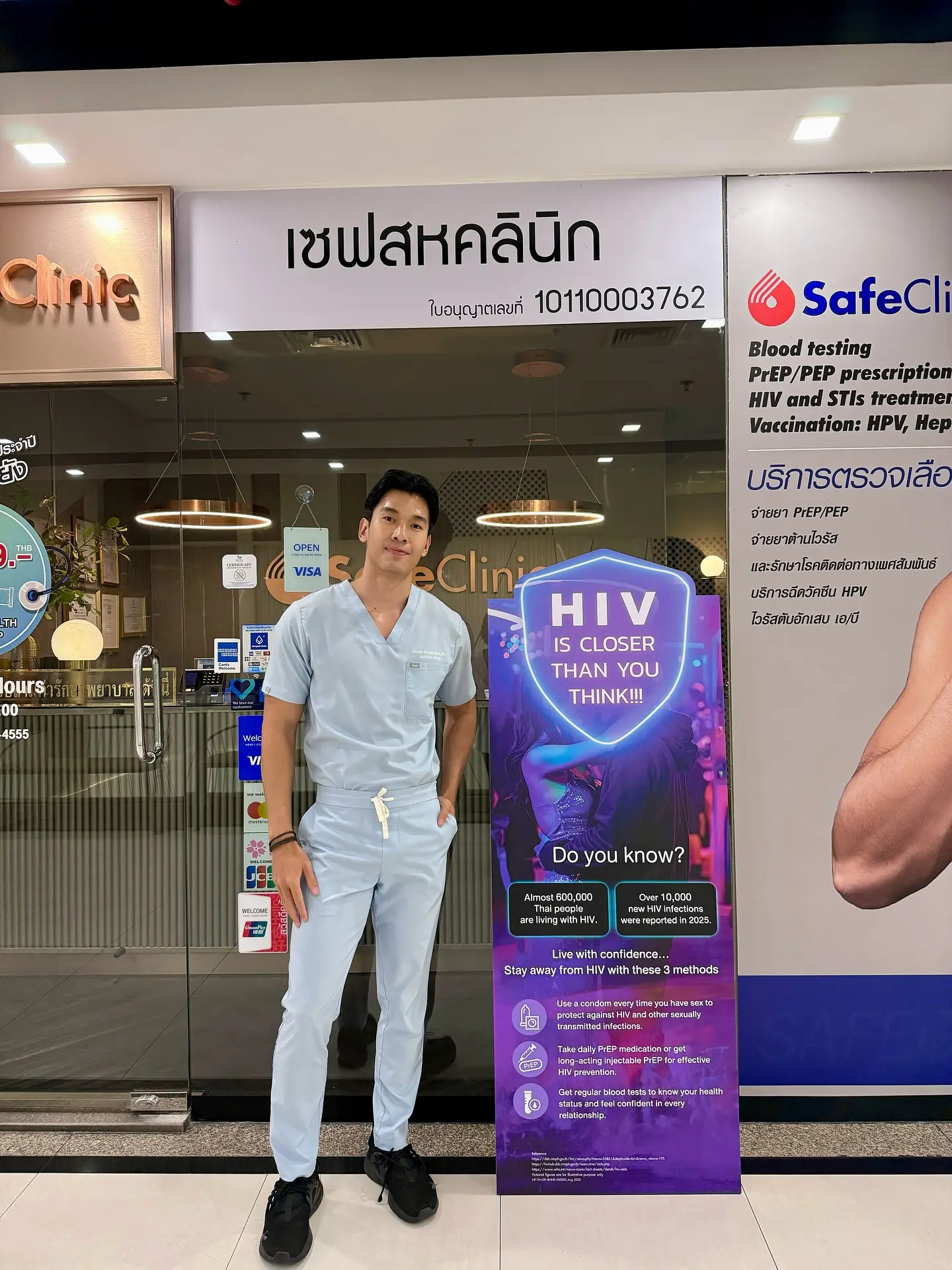
Medical Reviewer: Dr. Chaiwat Songsiriphan
Expertise: Specialist in Dermatology and Venereology (STDs)
Over 10 years of clinical experience
Latest Article Updates: March 1, 2026


